Tom Goddard and Greg Pintilie
September 28, 2012
Look at the effects of smoothing the boundary of a masked volume. Each voxel outside the boundary is replaced by the average of its 6 nearest neighbors. That is repeated for a given number of iterations. To completely hide the staircase artifacts requires a boundary falloff layer half height thickness of 2 to 3 voxels.
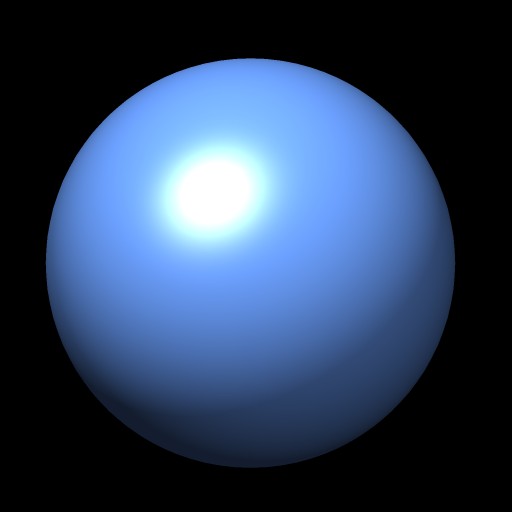
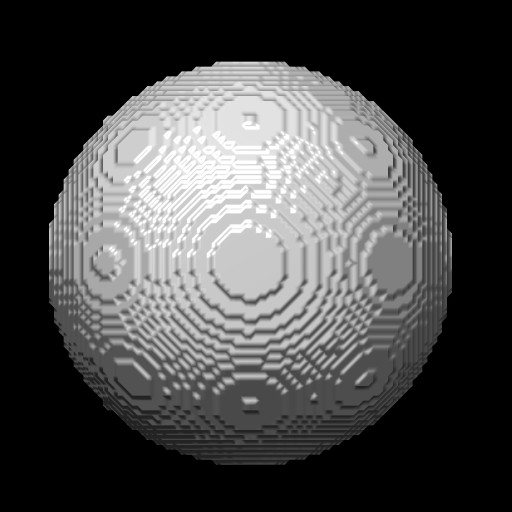
Volume masked to sphere of radius 10, with border padding 2, grid size 100, constant density value 1, created with commands:
shape sphere
mask ones #0 border 2
| Original sphere surface. | Masked volume at contour level 1. |
|
|
|
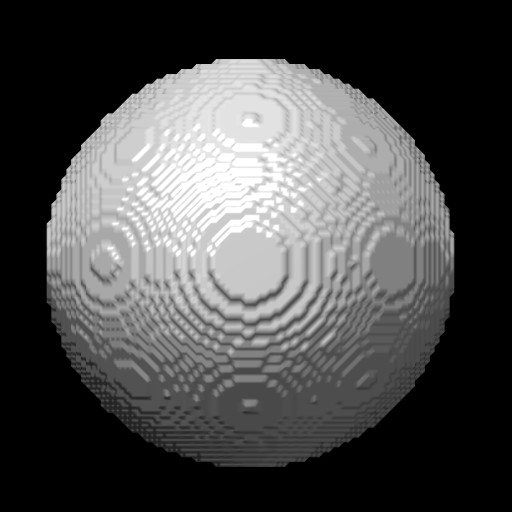
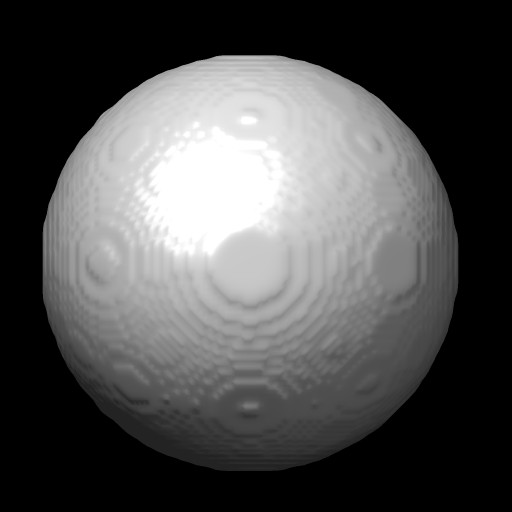
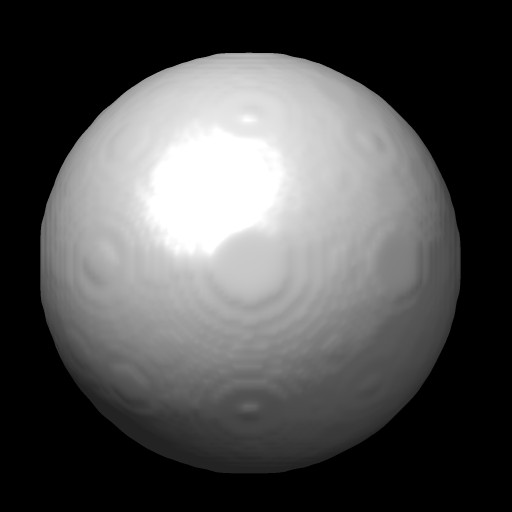
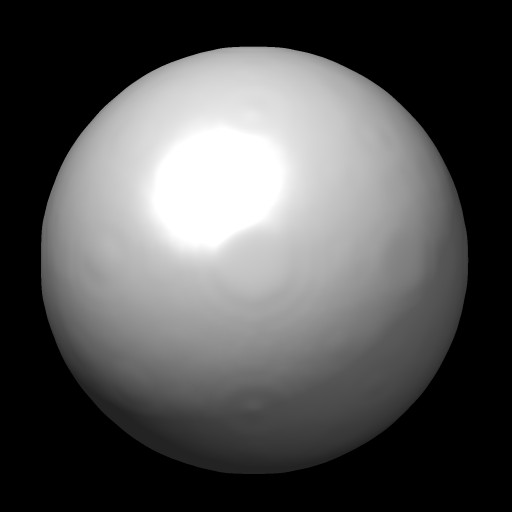
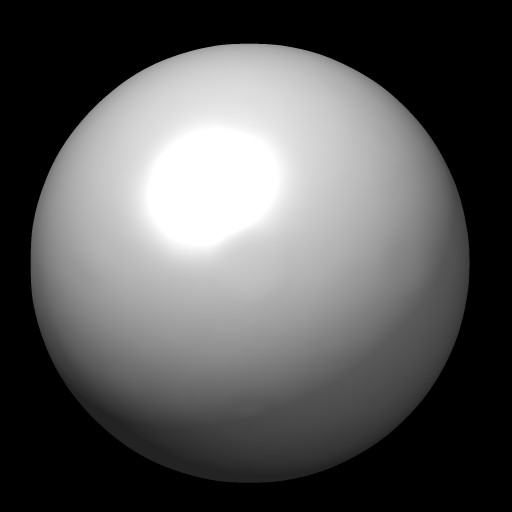
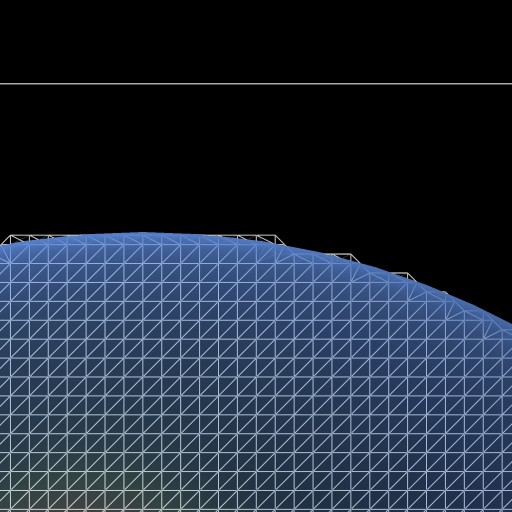
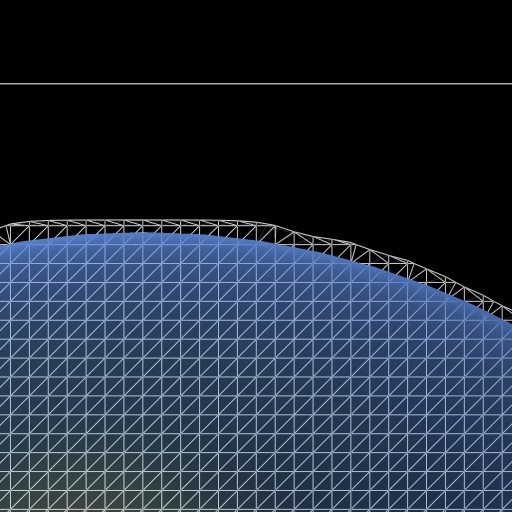
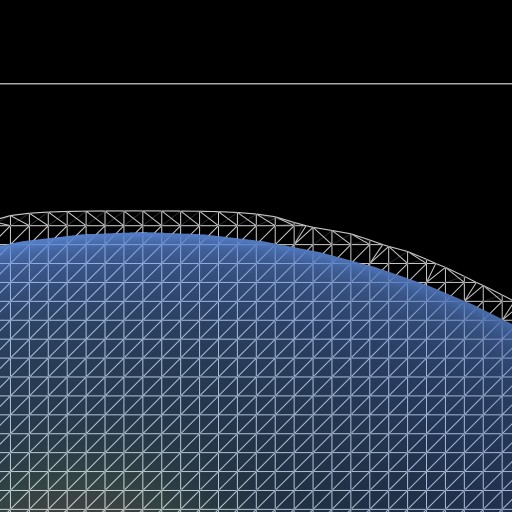
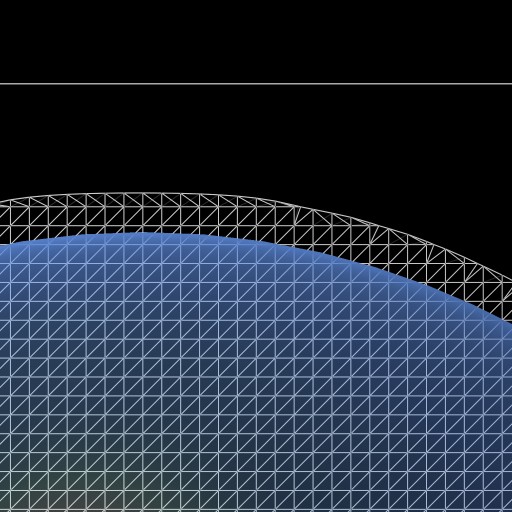
Volume appearance with different numbers of boundary smoothing iterations and contour level 0.5. At contour level 1 the appearance is the same as with no smoothing. The vop falloff command only modifies grid points having value 0.
vop falloff #1 iterations 20
| Iterations: | ||||
| 0 | 10 | 20 | 50 | 100 |
| 
| 
| 
| 
|
| Layer thickness (voxels): | ||||
| 0 | 0.7 | 1.2 | 2.0 | 3.0 |
| 
| 
| 
| 
|
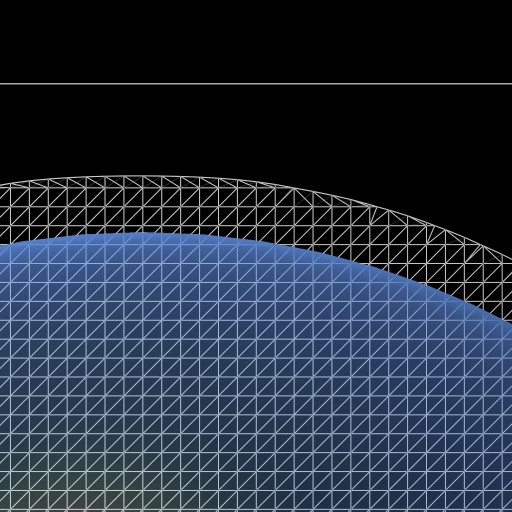
Boundary layer images made by showing volume mesh superimposed with original sphere surface. and layer thickness judged by eye.
set projection orthographic
transp 80 #0
vol #2 level 0.5 style mesh region 0,0,49,99,99,51 showOutline true
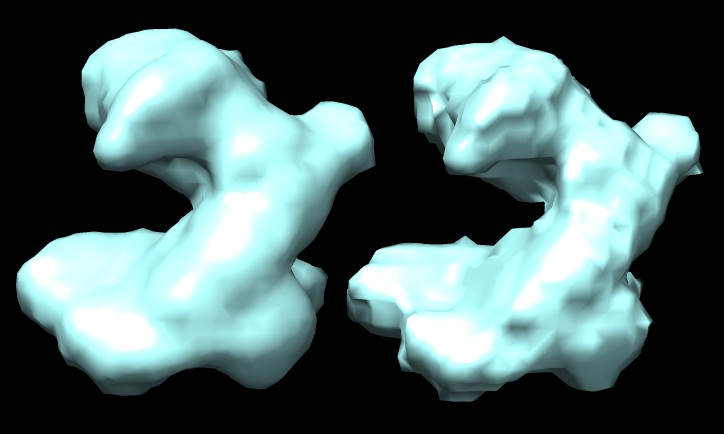
Below is an image using the Segger implementation of this same type of mask boundary smoothing. It shows a masked monomer of GroEL EMDB map 1080 with 10 iterations of smoothing (left) and without any smoothing (right).